
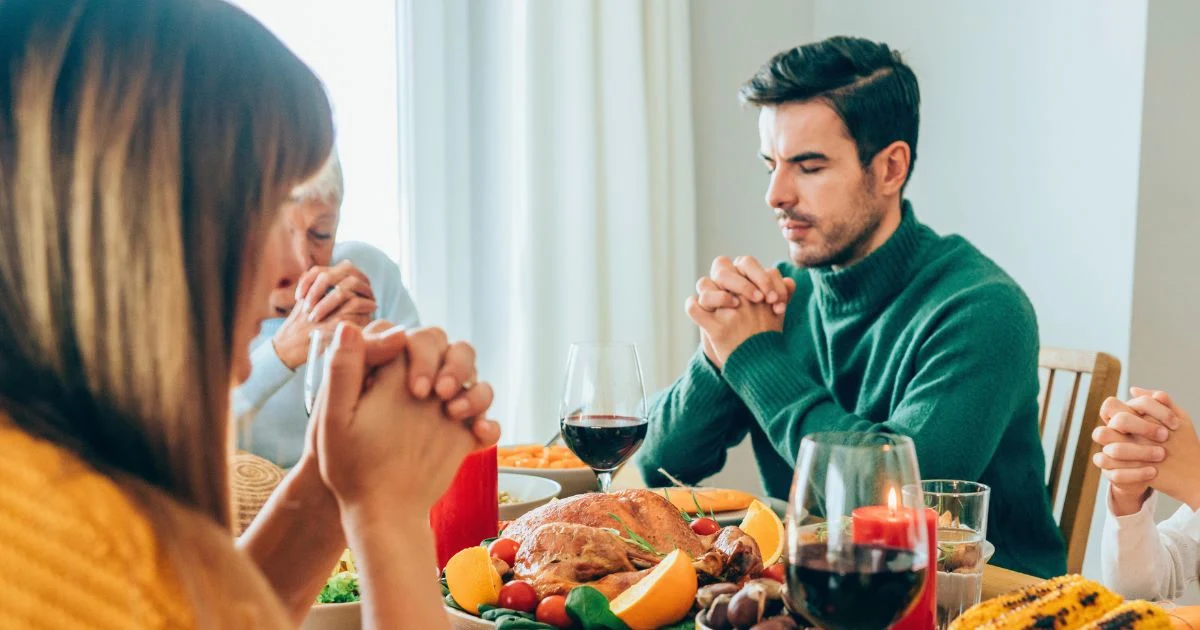

The first Thanksgiving without a loved one is often harder than families expect. The holiday centers around one table, and this year someone is missing from it. Some families want to keep their usual traditions, while others would rather do something different. Neither choice is wrong.
Thinking about expectations before Thanksgiving gives everyone a chance to share what they need, rather than making those decisions during the gathering.
The NIH Clinical Center’s bereavement resources encourage families to plan ahead and communicate about their needs during difficult periods. Making a few decisions ahead of time can help families approach the holiday with more understanding and flexibility.
Why the First Thanksgiving Without a Loved One Can Feel So Hard
Thanksgiving tends to depend on routine. The same person may have cooked the turkey, said grace, or carved at the head of the table for decades. When that person passes, each of those small jobs raises a question about who does what, now that they are gone.
For some families, that person was also the one who brought everyone together. Without them, friends and relatives may struggle with the idea of gathering in the same place or continuing on with the same traditions that feel different now.
That doesn’t mean the tradition has to end with the person who passed. Keeping the meal going, even if it is smaller or looks different, is one way to hold on to what that person built.
The holiday also comes with an expectation of gratitude, which can be hard to feel. Many people find themselves thankful and sad at the same time. Grief does not wait for Thanksgiving Day, either. It can show up days earlier, while shopping for the meal, or when sending out invites. The NIH Clinical Center notes that a smell, a taste, or a song can bring back sudden memories of the person who passed away, sometimes unexpectedly, and that these reactions are normal.
Planning the Holiday in the Weeks Before Thanksgiving
Not knowing what to expect can add stress to an already difficult holiday. Making a few decisions ahead of time may help. Where to gather, who will host, and which traditions to keep are good places to start.
Start with where the meal will be. If the person who died always hosted, another relative may want to take over. Some families prefer a restaurant, a potluck, or a smaller meal at a different home for the first year. The National Council on Aging suggests changing traditions that feel too painful and handing certain rituals over to another family member.
Next, talk with the people who will be there. The Hospice Foundation of America encourages grieving families to tell each other what they need before a holiday. Ask what each person feels comfortable with and be prepared for different answers. Not everyone will want or envision the same kind of Thanksgiving this year.
It also helps to keep commitments small. Agreeing to come for dessert, or for one hour, is easier than promising the whole day. Let the host know ahead of time if you might need to leave early.
Planning a Thanksgiving Gathering in Brooklyn
If friends or relatives are traveling into Brooklyn for Thanksgiving, consider how the holiday schedule may affect their plans. Subway and bus service can change on Thanksgiving Day, and the parade could cause additional delays in Manhattan. Check the MTA’s service updates before traveling.
Space may also affect where families meet up. If the usual gathering place is no longer a good location, another relative may need to host. For families with limited space, a smaller meal or visits at different times could work better than bringing everyone together at once.
If your family is also planning a funeral or memorial service around the holidays, Fairhaven Memorial Chapel can help coordinate dates, travel, and cemetery arrangements. Our funeral directors are available 24 hours a day at (718) 622-4442.
Families needing assistance can contact Fairhaven Memorial Chapel to discuss funeral or memorial arrangements during the Thanksgiving holiday.
Ways to Honor the Person at the Thanksgiving Table
Some families want to acknowledge the person who died during Thanksgiving dinner, while others may prefer to remember them in a more private way. A small gesture can help to keep their memory as part of the day.
- Prepare a favorite recipe. Use the person’s recipe or make something they always brought to Thanksgiving dinner. You could even ask another family member to help carry out the tradition.
- Include a familiar photograph or candle. Place one near the table as a way to remember the person without making it the main focus of the entire gathering.
- Make time for family stories. Ask family members to tell a story about a past Thanksgiving, a funny moment, or something they miss about that person. Let everyone decide whether they want to participate.
- Include them in a prayer or toast. Mention the person by name or include a short prayer or blessing they always said. A short toast before dinner can serve the same purpose.
- Decide what to do with their usual seat. Some families prefer to leave it empty, while others feel more comfortable having someone else sit there. Talk about it beforehand so no one feels uncomfortable at dinner.
These gestures do not have to become permanent traditions. Families can choose what feels meaningful this year and revisit those decisions as their needs change. When Thanksgiving Brings Unexpected Emotions
Even with plans in place, Thanksgiving may bring unexpected emotions. A familiar tradition, conversation, or moment at the dinner table can bring back memories of the person who died. You might enjoy part of the gathering and still find yourself struggling later on in the day.
If emotions start to feel overwhelming, taking a few minutes to walk away from the gathering may help. Find a quiet place, get some fresh air, or talk with someone you trust. You do not have to explain every emotion or pretend you are having a good day when you are not.
If you are supporting someone who is grieving, consider offering them the same flexibility. A quiet moment away from the table or a decision to leave early does not necessarily mean they do not want to be with family.
The Days After Thanksgiving and the Holidays Ahead
Grief does not end when Thanksgiving is over. Some may feel emotionally drained after spending the day with family, while others find the quiet afterward more difficult. Give yourself time to rest before returning to your usual routine.
With more holidays approaching in December, Thanksgiving may also give your family a better idea of what’s manageable this year. Think about which traditions brought you peace, which ones felt difficult, and whether you want to approach the next gathering differently. You don’t have to make every decision now, and it’s okay if your plans change.
Common Questions About the First Thanksgiving After a Loss
Why Does Grief Feel Worse During the Holidays?
Holidays can make someone’s absence more noticeable because they bring familiar routines, gatherings, and memories. Invitations, grocery shopping, and Thanksgiving preparations may bring back feelings of loss before the holiday even arrives.
If you notice these feelings, consider talking with someone you trust or giving yourself more time to prepare for the day.
Is It Normal to Feel Guilty About Enjoying Thanksgiving After Someone Dies?
Yes. Some people feel guilty when they laugh, enjoy a meal, or look forward to seeing family after losing someone close to them.
Enjoying parts of Thanksgiving does not mean you miss the person any less. Grief and happiness can exist together, even during the first holiday after a death.
What Do I Do if Family Members Disagree About Thanksgiving Plans After a Death?
Disagreements can feel more personal when family members are grieving. One person may want to continue the usual tradition, while another may find it too painful. Try to understand what matters most to each person before making decisions.
Start by figuring out what each person feels strongly about and where there may be room for compromise. For example, one relative might host the main meal while another arranges a smaller gathering on a different day.
Not every disagreement needs to be resolved. Family members can make different plans without expecting everyone to participate in the same way. If a conversation becomes tense, consider bringing it up at a different time, rather than trying to settle everything at one time.
Is It Normal for Children to Seem Happy During Thanksgiving After a Death?
Yes. Children can move between sadness and enjoyment much more quickly than adults expect. A child might ask about the person who died and then return to playing with cousins a few minutes later.
That does not mean the child has forgotten the person or is not grieving. Give children opportunities to talk, but do not expect them to express sadness throughout the holiday.
When Should Someone Seek Professional Grief Support?
Grief affects people differently, and there is no deadline for feeling better. However, additional support may help if sadness, anxiety, or other symptoms interfere with sleep, work, relationships, or everyday responsibilities.
A grief counselor, therapist, or bereavement support group can help people work through these concerns. You do not have to wait until grief becomes overwhelming to ask for support.
Thanksgiving Grief Support for Brooklyn Families
The first Thanksgiving after losing someone can be difficult, even when your family has made plans in advance. For some families, the holiday also comes while still making funeral arrangements or looking for support after a recent death. Knowing where to turn for help can make those responsibilities easier to manage.
Fairhaven Memorial Chapel serves families throughout Brooklyn and Kings County, as well as families in Queens and Manhattan. Our team can share grief resources, answer questions about memorial services, and assist with funeral and memorial arrangements during the holiday season.
Whether you are looking for bereavement resources or assistance planning services while friends and family are in town, our funeral directors are available to answer your questions.
If your family needs funeral planning assistance or guidance on memorial services in Brooklyn, contact Fairhaven Memorial Chapel or call (718) 622-4442. Our team is available 24 hours a day to help you understand your options and make arrangements that honor your loved one.